For income-focused investors seeking reliable dividends, two of Singapore’s largest real estate investment trusts (REITs) usually top the list.
Between CapitaLand Integrated Commercial Trust (SGX: C38), better known as CICT, and CapitaLand Ascendas REIT (SGX: A17U), or CLAR, the choice can be tough.
Especially if you consider their strong track records, portfolios of prime real estate properties, and the same quality sponsor: CapitaLand Investment Limited (SGX: 9CI).
Today, we take a look at both REITs and share our thoughts on which is the more attractive buy.
Meet the Contenders
CICT stands out as Singapore’s largest REIT, with a well-diversified portfolio of real estate properties spanning retail malls, offices, and integrated developments.
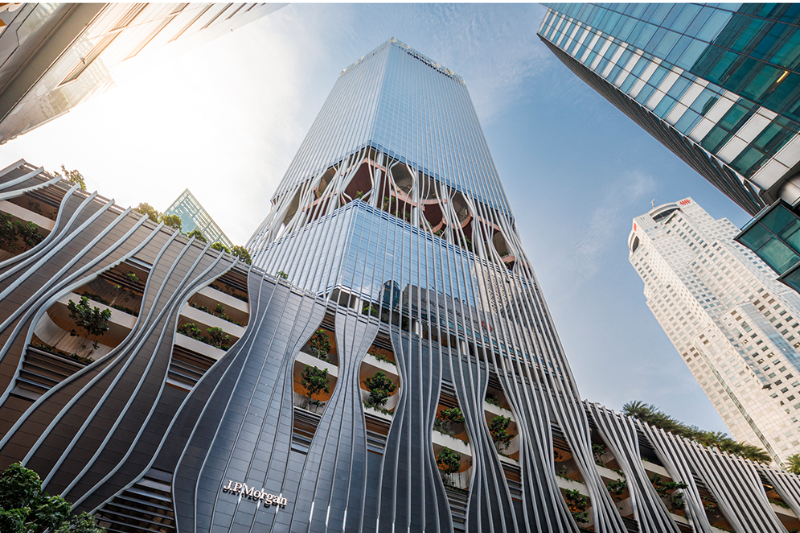
You are undoubtedly familiar with some of its prime assets, including Plaza Singapura, CapitaSpring, and the impending acquisition of Paragon.
The bulk of CICT’s real estate portfolio is concentrated in Singapore, making the REIT a prime beneficiary of Singapore’s economic activity and spending.
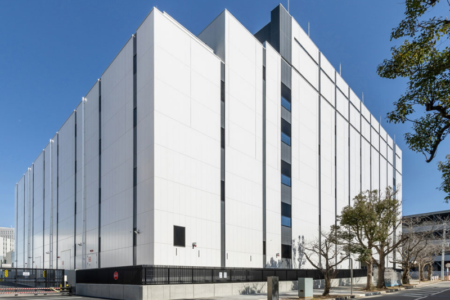
On the flip side, CLAR’s portfolio is concentrated in the industrial segment, with the REIT having exposure across business parks, logistics facilities, industrial properties, and data centres.
Unlike CICT’s geographical concentration in Singapore, CLAR adopts a more diversified approach, with the US, Australia, and the UK / Europe making up 33% of its portfolio value.
As the digital economy picks up steam, e-commerce and AI in particular, CLAR’s portfolio of industrial real estate is increasingly more important in today’s world.
Income Battle: Which REIT Delivers Better Dividends?
At a current unit price of roughly S$2.28, CICT currently offers a decent trailing annualised distribution yield of 5.1%
CLAR offers a higher trailing annualised distribution yield of 6.1%, given a current unit price of S$2.45.
At first glance, it might seem that CLAR is a more attractive option given a higher distribution yield. However, when you factor in both REITs’ distribution growth rates, the picture changes.
Since 2021, CICT has consistently grown its annual distributions while CLAR’s distribution per unit (DPU) has edged lower over the same period – though this reflects an enlarged unit base from equity fundraising rather than falling income, as CLAR’s distributable income actually rose 1.4% in FY2025.
Portfolio Strength: Quality Versus Growth
CICT’s ownership of high-quality prime retail malls (Plaza Singapura) and offices (CapitaSpring) offers the REIT some form of defensiveness.
Being located in prime and scarce locations, these properties help generate value for CICT over the long-term.
Its tenant base of blue-chip companies also supports income resilience throughout market cycles.
What CLAR does not have in defensiveness, the REIT makes up for in growth potential.
As mentioned above, the burgeoning growth in e-commerce and data centres provides a solid runway for future demand for the industrial REIT’s logistics properties and data centres.
Compared to CICT, CLAR might experience strong growth moving forward.
Financial Strength and Risk
On the balance sheet front, CICT possesses lower leverage at 38.5%, with a well-spread debt maturity profile. However, 2028 to 2031 sees approximately 70% of the REIT’s outstanding debt coming due, which could present some refinancing pressure.
Do note that a 1% increase in interest rate results in an additional S$24.1 million in finance costs for CICT.
Conversely, CLAR’s leverage stood higher at 42% as at 31 March 2026, though this is expected to ease to around 37.3% following its S$903.5 million equity fundraising in April 2026.
19% of its debt comes due in 2026, which presents some upcoming refinancing needs. A 100-basis-point (1%) increase in finance costs will lower the REIT’s interest coverage ratio to 2.7x (currently 3.5x as of 31 March 2026).
Finally, a slowdown in consumer spending will disproportionately affect CICT given its retail mall exposure, while a slowdown in industrial spending will have the same effect on CLAR.
CLAR’s greater geographical exposure will help the REIT to be less reliant on Singapore’s economy, though CICT’s diversification should result in better resilience across the economic cycle.
Growth Opportunities Ahead
Looking ahead, CICT’s next phase of growth should come from its asset enhancement initiatives, currently being implemented at Plaza Singapura and The Atrium@Orchard.
The mall operator could also benefit from increased tourism recovery, alongside higher rental reversion and a pickup in office demand.
CLAR’s growth will likely come from increasing data centre exposure, alongside an increase in logistics and business park demand.
Furthermore, the industrial specialist’s healthy appetite for accretive acquisitions supports its future growth profile.
Which REIT Fits Your Investing Style?
So which REIT should you choose?
If you’re looking for a diversified exposure to some high-quality Singapore assets in the retail and office space while collecting steady income, CICT is your champion.
For investors seeking exposure to industrial and technology-related growth trends with greater international diversification and the potential for future growth, consider owning CLAR.
Or, you could always own both and get the best of both worlds of defensive income and growth potential.
By blending CLAR and CICT, you get a nice, balanced mix of properties that span industrial, retail, and office!
Get Smart: The Better Buy Depends on What You Need
In conclusion, CICT offers better resilience at the expense of slower growth with its portfolio of Singapore-focused properties.
CLAR presents better geographically diversified growth prospects that come with less stable income.
Both REITs remain as high quality income generators available for investors.
The decision to pick one over the other comes down to your risk appetite and long-term goals.
What if every stock trade in Singapore puts money in your pocket? One company earns whenever the market moves. Its free cash flow has grown close to 10% a year, and dividends are set to rise 40% over the next three years. Our free 2026 Dividend Playbook reveals this legal monopoly. Download it for free now. Follow us on Facebook, Instagram and Telegram for the latest investing news and analyses!
Disclosure: Wilson H. does not own shares in any of the companies mentioned.