The Smart Investor
    Facebook Instagram
    Monday, November 16
    Facebook Instagram LinkedIn
    The Smart Investor
    • Home
    • About
      • About Us
      • Careers
    • Smart Investing
      • Getting Started
      • Investing Strategy
      • Smart Analysis
      • Smart Reads
    • US Stocks
    • Special Free Reports!
    • As Featured on BT
    • Our Services
      • Our Services
      • Subscribe now!
    • Login
    • Cart
    The Smart Investor
    Home»Growth Stocks»Jensen Huang Resigns: What NVIDIA’s CEO Exit Teaches You About Key-Man Risk
    Growth Stocks

    Jensen Huang Resigns: What NVIDIA’s CEO Exit Teaches You About Key-Man Risk

    NVIDIA CEO Jensen Huang steps down after 33 years. Discover what his departure means for investors and how to identify key-man risk in Singapore stocks.
    Chin Hui LeongBy Chin Hui LeongNovember 16, 20263 Mins Read
    Facebook Twitter LinkedIn Email WhatsApp
    Nvidia
    Image credit: nvidianews.nvidia.com
    Share
    Facebook Twitter LinkedIn Email WhatsApp

    NVIDIA (NASDAQ: NVDA) lost a key co-founder last week.

    Jensen Huang built the chipmaker over 33 years. 

    On 12 November 2026, he resigned as chief executive officer with immediate effect. 

    He also left the board. 

    There are no prizes for guessing why. 

    But what about investors? 

    A line often attributed to Warren Buffett fits the moment. 

    “I try to invest in businesses that are so wonderful that an idiot can run them. Because sooner or later, one will.”

    Let me be clear: Jensen Huang is no idiot. 

    He has, however, left some big shoes to fill. 

    A great company should keep its edge after its founder walks out the door.

    What happens at NVIDIA now?

    Colette Kress, NVIDIA’s chief financial officer, is now interim CEO. 

    She will be at the helm until the board names a permanent successor. 

    Harvey C. Jones, a former chief executive of chip-design software firm Synopsys (NASDAQ: SNPS), becomes the board’s first-ever chair.

    The board will consider internal and external candidates, and it has not set a timeline. 

    As you can tell, there are many open questions.

    You can expect analysts to have a field day when NVIDIA reports its third-quarter results on 17 November 2026, as scheduled.

    Jones said the company expects its operations, customer commitments and product roadmap “to continue without interruption”.

    Why does one departure matter so much?

    Huang ran NVIDIA unlike most chief executives. 

    He had about 60 direct reports, and he skipped one-on-one meetings in favour of group sessions.

    That set-up let decisions move fast. 

    It also meant much of NVIDIA’s judgement rested on one person.

    In the near term, demand for AI chips may carry the business. 

    The harder test comes later, when NVIDIA’s next leader has to pick the company’s big long-term bets without him.

    How can you spot key-man risk in your own portfolio?

    NVIDIA is listed in the US, but SGX companies can carry the same risk. 

    You can check for it in your own holdings.

    Look at who chairs the board. An independent chair who is not the CEO gives the board a voice of its own. NVIDIA named its first chair in the same announcement as Huang’s exit.

    Read the management pages of the annual report. A deep bench of senior executives with long tenures gives the board people it can promote from within.

    Search for succession planning. The corporate governance report should explain how the nominating committee plans for a change of CEO. A vague answer or missing statement is a signal too.

    Ask where the advantage sits. An edge built on assets, contracts, or customer relationships lasts longer than one built on a single person’s judgement.

    Get Smart: Own the business, not the boss

    A great leader is a good reason to like a stock. 

    It should not be your only reason.

    Before you buy, ask yourself this: if the CEO resigned tomorrow, would you still want to own the shares? 

    If your answer is no, your investment case rests on one person. 

    Size your position with that in mind.

    A market dip can either hurt your returns… or accelerate them.

    The difference comes down to one thing: how you deploy your cash. We break it down step by step in this FREE report. Get your copy for free now.

    Follow us on Facebook, Instagram, Telegram and YouTube for the latest investing news and analyses!

    Disclosure: Chin Hui Leong owns shares in Synopsys.
    Yahoo
    Share. Facebook Twitter LinkedIn Email WhatsApp

    Related Posts

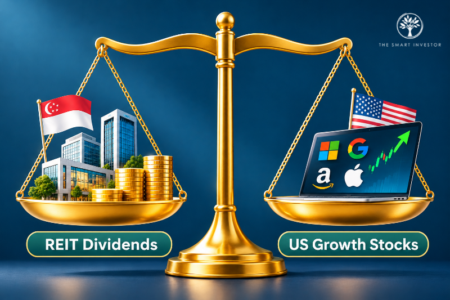
    How to Balance REIT Dividends with US Growth Stocks for Maximum Returns

    November 16, 2026

    Smart Reads of the Week: Singapore Bank Earnings, Temasek Stocks, REIT Yields, and US Tech Opportunities

    November 15, 2026

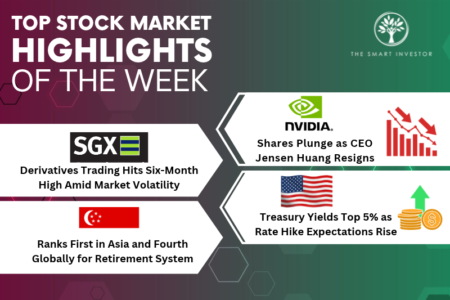
    Top Stock Market Highlights of the Week: Nvidia, SGX, US Treasury Yields and Singapore’s Pension Ranking

    November 14, 2026
    Facebook Instagram LinkedIn Telegram YouTube TikTok
    • Careers
    • Disclaimer & Privacy Policy
    • Advertising & Media Enquiries
    • Subscription Terms of Service
    © 2026 The Smart Investor. All Rights Reserved. The Smart Investor, thesmartinvestor.com.sg, an investment education website managed by The Investing Hustle Pte Ltd (Company Reg No. 201933459Z) is not licensed or otherwise regulated by the Monetary Authority of Singapore, and in particular, is not licensed or regulated to carry on business in providing any financial advisory service. Accordingly, any information provided on this site is meant purely for informational and investor educational purposes and should not be relied upon as financial advice. No information is presented with the intention to induce any reader to buy, sell, or hold a particular investment product or class of investment products. Rather, the information is presented for the purpose and intentions of educating readers on matters relating to financial literacy and investor education. Accordingly, any statement of opinion on this site is wholly generic and not tailored to take into account the personal needs and unique circumstances of any reader. The Smart Investor does not recommend any particular course of action in relation to any investment product or class of investment products. Readers are encouraged to exercise their own judgment and have regard to their own personal needs and circumstances before making any investment decision, and not rely on any statement of opinion that may be found on this site.

    Type above and press Enter to search. Press Esc to cancel.