When markets are doing well, this question keeps coming up.
The Straits Times Index (SGX: ^STI) has delivered a return of just over 30% over the past year, including dividends, and is trading near its recent highs. A S$10,000 investment a year ago would now be worth around S$13,200.
When prices move this way, it is natural to start looking at your portfolio differently. Gains that once felt abstract start to feel real. The idea of “securing the gains” begins to surface.
Should you lock in profits at market highs
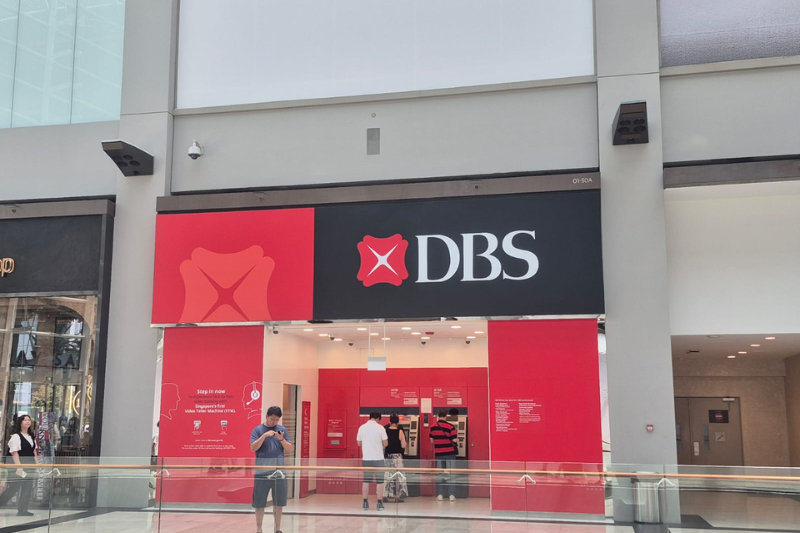
Take DBS Group Holdings (SGX: D05) as an example. Over the past year, the bank’s share price has risen about 35% and is now trading close to S$59. On the surface, it looks like a sensible time to lock in profits. Yet nothing meaningful has changed about the business itself. The bank’s earnings remain solid, and continues to pay a nice dividend.
The question about selling comes from the price, not the company.
I have felt that tension myself, and I have seen it play out many times before, often at moments when selling feels sensible.
The moment most investors don’t talk about
If you bought DBS during the COVID period and held through the recovery, there was a point when the stock crossed S$40 and it already felt like a good outcome. You would have more than doubled your investment. Valuations no longer seemed cheap the way they did in 2020.
At that point, the thought was rarely “this is a bad company”. It was more likely, “I’ve done well, I want to lock in my profits”.
But that decision came with a trade-off. The share price did not stop there. Selling at S$40 would have meant missing not just further gains, but continued progress from the same business.
What often happens next tends to be predictable. After selling, investors wait for a pullback. Sometimes it comes. Often it does not. And when prices continue rising, re-entering feels harder than staying invested ever did.
What selling early really costs
The cost of selling early, however, is not just missed price gains.
With dividend-paying companies, a meaningful portion of long-term returns comes from dividends paid over time. When a stock is sold simply because the price has risen, investors are not only stepping away from future upside. They are also giving up an income stream that continues regardless of short-term market movements. Selling interrupts that process, and buying back later often means paying more for the same business while earning a lower yield.
When selling actually makes sense
This does not mean investors should never sell.
Selling is part of investing. The real question is what problem selling is solving.
There are valid reasons to exit a position. A business can weaken structurally. Dividends can be reduced or become unsustainable. Balance sheets can deteriorate. Valuations can also reach levels that no longer make sense relative to long-term prospects. In those situations, selling is a way of staying true to your long-term plan, rather than reacting to the moment.
Selling can also make sense when it is driven by personal financial goals rather than market levels. That might mean raising cash for a planned expense, ensuring adequate emergency reserves, or adjusting exposure because your risk tolerance or life circumstances have changed. Selling is not about predicting the market, but aligning your investments with your life.
Some investors also choose to keep cash ready. Not because they know when markets will fall, but because volatility is part of investing. Having liquidity allows them to act when opportunities appear, rather than being forced to sell other holdings at the wrong time.
At The Smart Investor, we continue to invest through market highs. Not because we believe prices cannot fall, but because we focus on business fundamentals, cash flows, and long-term income rather than short-term market levels.
A better question to ask before you sell
Before selling simply because prices are high, pause and ask one question:
What has changed in the business, not just in the price?
If the answer is “nothing meaningful”, then selling is often about locking in comfort rather than improving outcomes.
The goal is not to avoid selling altogether. It is to be clear about why you are selling.
I would rather be wrong about timing than wrong about the business.
What if every stock trade in Singapore puts money in your pocket? One company earns whenever the market moves. Its free cash flow has grown close to 10% a year, and dividends are set to rise 40% over the next three years. Our free 2026 Dividend Playbook reveals this legal monopoly. Download it for free now.
Follow us on Facebook, Instagram and Telegram for the latest investing news and analyses!
Disclosure: Joanna Sng owns shares of DBS.