INVESTING in healthcare companies could turn out to be a win-win for those of us who are prepared to accept that we are not superhuman, but mortal in every possible way.
As we’re far from invincible, we might even need to call on the services of one or more healthcare companies now and again.
So, investing in healthcare companies could serve two useful purposes. First, it could ensure that the companies we like, and could one day need, are well-funded. Second, and perhaps a little selfishly, it could be a great way to get something back for buying goods and services from these businesses.
Let’s be clear: Healthcare can be expensive. It is not the fault of these companies, but a direct function of market forces. As demand for better healthcare rises, thanks to improving household wealth, prices can go up. That prices will rise is almost predictable.
Consequently, my investments in healthcare companies almost read like a chronology of my medical record. Perhaps it was a subconscious decision that I had made years ago to insure against future expenditures.
Then again, it could be because I just like income-producing assets. Most of these companies do pay handsome dividends.
Two for the price of one
One of the first companies that I invested in many decades ago was GlaxoSmithKline (GSK). It was a specialist in gastrointestinal ailments. It is now one of the top 10 vaccine makers in the world. It is also spearheading research into drug-resistant superbugs, which is fast becoming a serious issue.
In 2022, GSK decided to spin off its Haleon consumer healthcare business to focus on research. For GSK shareholders, it was like getting two for the price of one. The oral healthcare segment is Haleon’s mainstay. This includes Sensodyne and Aquafresh toothpastes. The company also makes Panadol painkillers and Centrum vitamins.
Consumer healthcare in the form of wound management is an important area for Smith & Nephew. That started with its Elastoplast brand in 1928. Today, orthopaedics is the main driver of growth for the company. Joint replacements account for a significant part of Smith & Nephew’s annual revenue. As the world population ages, demand for new hips and knees could increase.
Put a tiger in your portfolio
Other interesting companies in the consumer healthcare area include Abbott Laboratories. Its products range from infant formula for newborns to dietary supplements for older members of society. It is also a key player in diabetes management, which has become increasingly important since the advent of weight-loss medication.
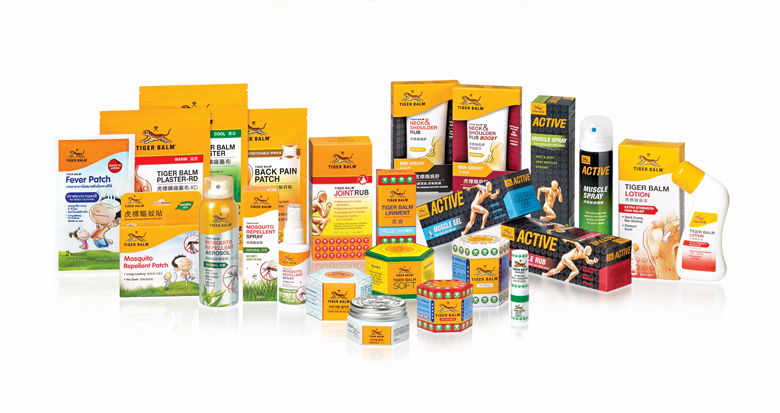
Another company involved in consumer healthcare is Singapore’s own Haw Par. The Tiger Balm brand has been around for about 100 years. Its herbal remedies are as relevant today as they were a century ago.
Another century-old company is Reckitt, which can trace its roots to Colman’s Mustard. It is another important healthcare company whose products include pain-management treatments such as Nurofen and throat lozenges Strepsils.
Chemists are another interesting healthcare area.
DFI Retail recently decided to sell its low-margin food-retailing business to focus on 7-Eleven convenience stores and its Guardian pharmacies. Unlike the grocery business, which almost anyone can operate, chemists are regulated businesses. The revenue per square foot of selling space for pharmacies could be considerably higher than for supermarkets. They also need less manpower.
Checking in
Hospital and hospital landlords are also worth a look.
IHH Healthcare is one of the world’s largest private healthcare groups with a focus on upmarket hospitals. Its brands include Gleneagles, Parkway, Mount Elizabeth and Pantai. With more than 80 hospitals spread over about 10 markets, it has the ability to generate stable revenue and profit. However, cash flow can be a bit lumpy.
Hospital landlords could be a more reliable source of income. For instance, Parkway Life Real Estate Investment Trust is one of Asia’s largest healthcare landlords. It owns and manages hospitals and nursing homes, which could free hospitals from managing assets to concentrate on providing healthcare services.
Insurance companies that provide health covers are also worth considering. Love it or loathe it, insurance is nothing more than collective risk-spreading. Put another way, lots of people pay premiums into a common fund that lets the insurance company pay out large claims to the few who are unfortunate enough to suffer health issues.
Until the claims are paid out, insurance companies can invest the pool of money, known as the float, to productively generate a return for shareholders. Some of the major players in Asia include United Overseas Insurance, AIA, Allianz Malaysia, Prudential and Ping An.
There is no getting around it. Healthcare is part and parcel of life. Additionally, healthcare is a continually evolving industry. And, good healthcare companies can adapt to meet the changing demands of society.
Some of these companies have been around for over a hundred years or more for good reasons. They produce things that people value. If they can continue to satisfy the needs and wants of consumers, there is no reason why they won’t be around for another hundred years or more.
Imagine receiving steady rent increases for more than two decades. It sounds unusual, but one healthcare REIT already has rental escalations locked in until around 2042. Income visibility like this is hard to find today. We break down how this REIT built such dependable cash flow in our FREE dividend report and how it could strengthen a retirement portfolio. Get the free report here.
Follow us on Facebook, Instagram and Telegram for the latest investing news and analyses!