An 8% dividend yield is only as good as the income stream behind it.
In the investing world, chasing high yields without looking at the fundamentals is a bit like buying a second-hand car because it has a shiny coat of paint, only to find out the engine is leaking oil.
With interest rates, currencies, and lease expiries all in flux, not every high-yielding REIT is built the same.
Here are three SGX-listed REITs offering yields near or above 8% — and what their latest results reveal about the durability of their payouts.
United Hampshire US REIT (SGX: ODBU)
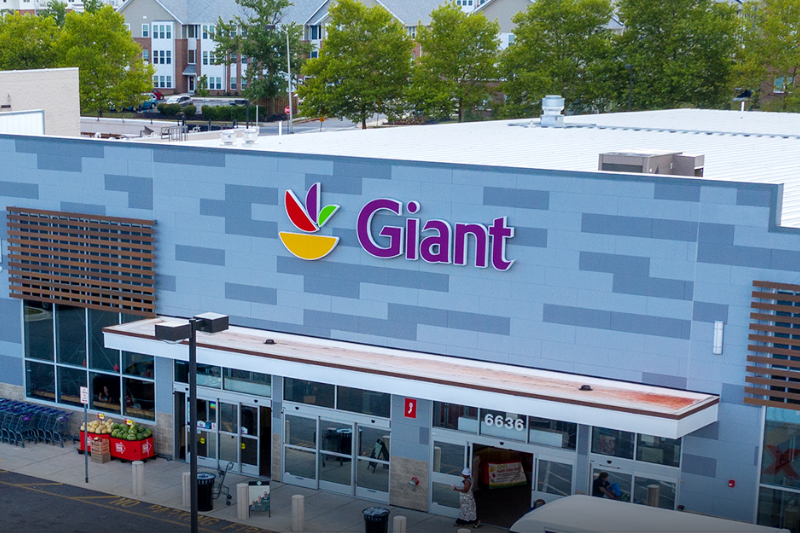
United Hampshire US REIT, or UHREIT, is the “grocery run” of the portfolio.
It owns 20 necessity-based retail properties and two self-storage facilities across the US.
Because people still need to buy bread and milk regardless of how the economy is doing, these assets tend to be quite resilient.
For FY2025, gross revenue dipped 1.7% year on year (YoY) to US$72.0 million, while net property income (NPI) fell 1.7% in tandem to US$49.0 million.
But don’t let that headline number spook you.
This was mainly due to the REIT selling off three properties in 2024 and early 2025 – when you sell assets, the rent naturally stops coming in.
Here’s the encouraging part: distributable income rose 5.7% YoY to US$26.9 million, fuelled by new lease commencements, built-in rental escalations, and lower financing costs following US Fed rate cuts.
Distribution per unit (DPU) climbed 8.1% to US$0.0439, marking the third consecutive period of DPU growth.
At a unit price of US$0.50, this translates to a trailing yield of 8.8%.
On the balance sheet front, aggregate leverage stood at a comfortable 38.6%, with no refinancing required until February 2028.
With committed occupancy at 97.7% for its grocery properties, a long weighted average lease expiry (WALE) of 7.7 years, and a 90% tenant retention rate, UHREIT’s dividend sustainability story is underpinned by organic income growth — not financial engineering.
Elite UK REIT (SGX: MXNU)
Elite UK REIT is a unique outfit, owning 148 commercial properties in the UK.
Its biggest strength – and its biggest concentration risk – is its anchor tenant: the UK Government’s Department for Work and Pensions (DWP), which brings in over 90% of the rent.
For FY2025, revenue edged up 1.3% YoY to £38.0 million, while adjusted NPI slipped 1.4% year on year to £34.4 million.
Yet DPU rose 5.6% to £0.0303, supported by interest savings from capital management and tax benefits from sustainability-related capital expenditure.
At a unit price of £0.36, this translates to a trailing yield of approximately 8.9%.
The real win here, however, was a massive lease “regear” with the DWP.
This essentially locked in the tenant for much longer, extending the portfolio’s lease expiry from 2.4 years to a much healthier 7.2 years.
While the DPU growth was driven more by financial manoeuvering than actual rent increases, the move has significantly de-risked the REIT.
It is like finally getting a long-term contract at work after years of freelancing – it gives the REIT manager a much firmer foundation to plan for the future.
With gearing at 40.7% and borrowing costs dipping, the “safety” of this high yield has improved materially.
First REIT (SGX: AW9U)
First REIT focuses on healthcare properties across Indonesia, Japan, and Singapore.
While healthcare is usually a “defensive” sector, this REIT has been facing some rough weather.
For FY2025, rental and other income slipped 1.6% YoY to S$100.5 million, while DPU fell 8.1% to S$0.02170.
At a unit price of S$0.250, the REIT currently offers a trailing yield of approximately 8.7%.
That headline yield, however, comes with caveats.
The DPU decline was largely driven by the depreciation of the Indonesian rupiah and Japanese yen against the Singapore dollar.
Stripping out accounting adjustments, rental income actually grew 1.2% year on year in adjusted terms – with Indonesian rental income rising 5.1% in local currency.
The bigger “red flag” to watch is the balance sheet.
Gearing has crept up to 42.1%, and there is a significant S$260.5 million in loans due for refinancing in 2026.
Management is currently talking to lenders, and the outcome of these talks will decide if that 8.7% yield is sustainable.
A Board Strategic Review also remains ongoing, with all options — including joint ventures, partnerships, and further asset transactions — being considered.
While portfolio occupancy held at 100% with a WALE of 10.0 years, investors eyeing First REIT’s high yield should watch the refinancing timeline closely.
Get Smart: Not All 8% Yields are Created Equal
In the stock market, a high yield can be a badge of honour or a cry for help.
What matters is the quality and durability of the income behind it.
UHREIT’s payout is backed by organic DPU growth and a clean balance sheet with no near-term refinancing pressure.
Elite UK REIT’s DWP lease regear has transformed its income visibility, even if current growth leans on financial optimisation.
First REIT’s yield is the highest of the three, but currency headwinds and an upcoming refinancing cycle add uncertainty.
As always, the smartest move is to look beyond the yield and ask: can this REIT sustain its payout?
While your friends debate which tech stock to buy next, money is quietly flowing into these 5 Singapore companies you see every day. They are proven to have steady dividends and strong balance sheets. Our FREE report shows you exactly which ones and why they’re safer than flashy darlings everyone’s chasing. Download your free report now.
Follow us on Facebook, Instagram and Telegram for the latest investing news and analyses!
Disclosure: Calvina L. does not own any of the stocks mentioned. Chin Hui Leong contributed to the article and does not own any of the stocks mentioned.