Falling stock prices create both a sense of discomfort and opportunity.
Investors should take a deeper dive to distinguish the nature of a decline.
Is it a temporary setback or a structural issue?
This is because stocks can fall for numerous reasons, from disappointing earnings to sector-wide pressures and sentiment shifts.
But not all dips present value.
Here are three beaten-down stocks that are worth diving into.
Microsoft Corp (NASDAQ: MSFT)
Microsoft is a global tech giant famous for its integrated enterprise software ecosystem.
Microsoft’s share price has come under pressure over the past year because of a spike in artificial intelligence (AI) infrastructure investments, which has caused investor concerns to grow.
In the third quarter of fiscal year 2026 ended 31 March 2026 (3QFY2026), Microsoft reported an increase in capital expenditure (CAPEX) of 84% year-on-year (YoY) to US$30.9 billion.
The surge in CAPEX was mainly for investments in data centres and GPUs.
These investments were meant to support its agentic AI products, such as Foundry and Copilot to keep up with the high demand for AI.
However, the market has concerns that Microsoft’s focus on the increasingly competitive agentic AI space would result in subsequent high reinvestments in CAPEX to maintain competitive parity.
Additionally, the source of these concerns also stems from a potential risk that Microsoft might shift priorities from its traditional high-margin asset-light software model.
However, these concerns may be overstated.
Microsoft’s elevated CAPEX is driven by a strong, proven AI demand rather than a need to stay competitive in an emerging sector.
As more sophisticated AI capabilities are integrated into its software products, the company will be able to capture the AI demand through its robust ecosystem.
Moreover, management is balancing the CAPEX to support both first-party AI applications and third-party usage through Azure.
Atlassian Corp (NASDAQ: TEAM)
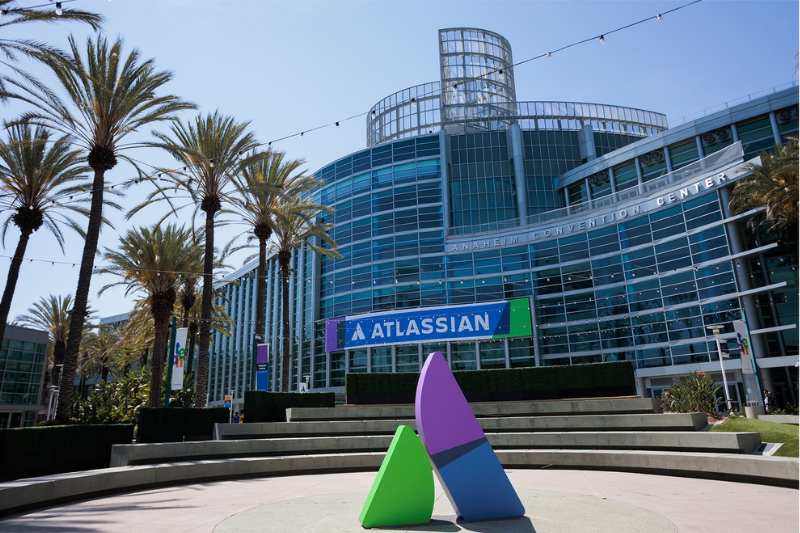
Atlassian is a software company best known for its workflow tools such as Confluence and Jira.
Recently, Atlassian, along with other Software-as-a-Service (SaaS) companies, is facing structural pressures.
A key pressure is the perceived risk of AI disruption, combined with increasingly cautious spending on software by companies.
Companies have found that navigating through different SaaS dashboards and tools is inefficient and prefer a cost-efficient consolidated tool which newer AI solutions have the potential to provide.
Despite this backdrop, Atlassian’s recent results, for 3QFY2026, showed resilient demand.
The firm reported 32% growth in revenue to US$1.79 billion.
Management also highlighted the rapid adoption of Atlassian’s AI assistant, Rovo.
Usage of Rovo’s AI credits is growing 20% month-on-month, and Rovo users are growing their annualised recurring revenues with Atlassian at twice the rate of non-Rovo users.
The strength in Atlassian’s business can also be seen in the 37% YoY growth in remaining performance obligations to US$4.0 billion in 3QFY2026.
Lululemon Athletica Inc. (NASDAQ: LULU)
Lululemon Athletica is a premium athletic and lifestyle apparel brand.
The company has faced a valuation correction as the market reassessed its growth outlook, amid a slowdown in its core Americas market, resulting in a decline in its share price – its price-to-earnings (P/E) ratio has compressed from a historical average of about 40 to 10 currently.
For its fiscal year 2025 ended 1 February 2026 (FY2025), Lululemon’s Americas segment saw a decrease in revenue by 1%.
During the year, the company also reported a 380-basis-point decline in its operating margin to 19.9%.
During the 4QFY2025 earnings call, management mentioned actions it was taking to address the company’s challenges.
They include reducing markdowns, controlling inventory, and increasing product innovation in an effort to preserve its premium branding.
Nonetheless, there is some merit to the valuation reset as Lululemon’s Americas market is transitioning from a high-growth to a more mature market where slower growth would be expected.
Get Smart: Price Drops Create Questions, Not Answers
A falling stock price does not always create a buying opportunity.
Investors should bear in mind that a fall in stock price can happen for several reasons, ranging from temporary operational issues to deeper structural challenges.
Ultimately, the real opportunity does not come from the decline itself but from the understanding of how the business can recover and sustain growth in the future.
Many investors think DeepSeek lowering AI costs means less revenue for tech companies. But that’s not the full story, and believing it could cost you. In our latest free report, we unpack a surprising insight from a top tech CEO who explains why lower AI costs may actually drive more tech spending, not less — and he’s got the numbers to prove it. If you’ve misunderstood this trend, you could miss out on some of the biggest investment opportunities. Click here now to access “How GenAI is Reshaping the Stock Market” today to get the full breakdown.
Follow us on Facebook, Instagram and Telegram for the latest investing news and analyses!
Disclosure: Gabriel L. does not own shares in any of the companies mentioned.