Markets are rattled. Former US President Donald Trump has announced a sweeping 10% tariff on all imports, with higher rates targeting selected countries. This time, no nation was spared.
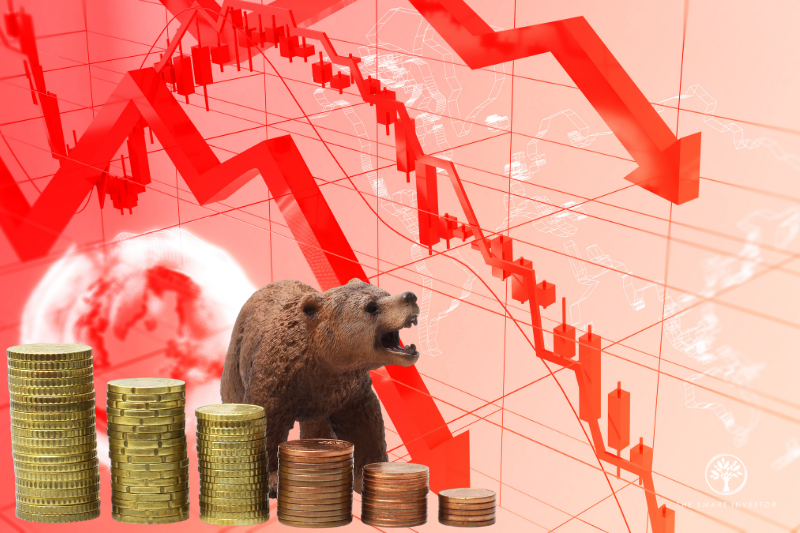
The global economy is once again on edge—and Singapore’s stock market felt the tremor. The Straits Times Index (SGX:^STI) fell 3% in a single day, reflecting investor unease as US markets erased over US$5 trillion in value.
As fears of a renewed global trade war escalate, it’s natural to feel anxious. But before making any snap decisions, it’s worth stepping back to look at the bigger picture.
Singapore’s Exposure to Trade Tensions
Singapore’s economy is among the most open in the world. In 2023, our trade volume was more than three times GDP, highlighting our reliance on global flows. Many Singapore-listed companies—from Venture Corporation (SGX: V03) in electronics to Yangzijiang Shipbuilding (SGX: BS6) in industrials— rely on exports or are part of international supply chains. On Friday alone, Yangzijiang’s share price fell nearly 4%.
Prime Minister Lawrence Wong has warned that Singapore could take a bigger hit than others if these US tariffs trigger a broader slowdown. Exporters are already reviewing supply chains and are seeking to diversify markets.
Putting Market Volatility in Perspective
While the sell-off may feel unsettling, history offers a valuable perspective:
- Short-term volatility is normal. Markets often overreact to geopolitical shocks before stabilising.
- We’ve weathered this before. During the 2018–2019 US-China trade war, the STI saw similar volatility but eventually rebounded.
- Strong businesses adapt. Companies with resilient business models and solid leadership typically find ways to navigate external disruptions.
What Should Investors Do Now?
As long-term investors, your best defence is a disciplined, fundamentals-first approach. Here’s how to stay grounded:
1. Don’t Panic-Sell
Emotional decisions rarely pay off. Selling during a downturn often means locking in losses—and missing the rebound. Instead, revisit your investment goals and time horizon. If they haven’t changed, your plan likely shouldn’t, either.
2. Review Your Portfolio’s Trade Exposure
Not all companies are equally exposed to tariffs. Ask yourself:
- Which companies in your portfolio rely heavily on exports to the US or Europe?
- How much of the portfolio are in sectors directly affected, such as semiconductors, industrial equipment, or logistics?
- Do your holdings have diversified revenue streams, such as Keppel DC REIT (SGX: AJBU) or DBS Group (SGX: D05), which operate across multiple markets?
Understanding your portfolio’s exposure will help you make informed, not reactive, decisions.
3. Focus on Resilient Businesses
Look for companies with:
- Strong cash flows and low gearing
- The ability to pass on higher costs
- Diversified operations and recurring revenue
- Products or services with steady demand
4. Consider Domestic or Regional Players
Some Singapore-listed firms focus primarily on local or ASEAN markets, making them less exposed to US tariff risks. Think of:
- CapitaLand Integrated Commercial Trust (CICT) (SGX: C38U) – Predominantly domestic malls and offices
- UOB (SGX: U11) – A bank with strong regional presence but limited direct trade exposure
These businesses may provide more stability during trade-driven volatility.
5. Take a Long-Term View
Tariffs may change, presidents come and go—but your investment horizon should span decades. History has shown that staying invested, reinvesting dividends, and tuning out short-term noise typically rewards the patient investor.
Opportunities Amid the Uncertainty
Periods of fear can also be moments of opportunity:
- Quality at a discount: Blue-chip names like OCBC (SGX: O39) or Singapore Exchange (SGX: S68) may now be more attractively priced.
- Reliable dividend payers: Many REITs, such as Mapletree Logistics Trust (SGX: M44U), offer stable income even during downturns.
- Defensive sectors: Consumer staples, utilities, and telcos tend to perform more consistently through economic shocks.
No one knows if markets will drop further or start to rebound. In times like these, it’s okay to pause, stay patient, and focus on understanding the businesses you own—or hope to own—over the long run.
Get Smart: The Bottom Line
Trump’s return to tariff politics has unsettled markets—but for long-term investors, the strategy hasn’t changed. Don’t let headlines derail your plan.
Instead, use this time to:
- Review your holdings
- Stress-test for risk
- Stay focused on quality and sustainability
At The Smart Investor, we continue to believe that investing in well-run businesses at fair valuations—through crises, cycles, and volatility—is the clearest path to building lasting wealth.
Want more insights on navigating market uncertainty? Want to stay abreast of the latest investing news, analyses, and stories for FREE? Subscribe to our weekly email, Smart Reads, now to receive a curated list of our top articles weekly. CLICK HERE to subscribe now!
Follow us on Facebook and Telegram for the latest investing news and analyses!
Joanna Sng of The Smart Investor owns shares of Keppel DC REIT, OCBC, UOB, DBS, Mapletree Logistics Trust, Singapore Exchange, and CapitaLand Integrated Commercial Trust.