Investing in blue-chip stalwarts requires looking past short-term noise to evaluate the structural engines driving long-term compounding.
Singapore Telecommunications Limited (SGX: Z74), better known as Singtel, has long been a portfolio cornerstone for investors seeking stable income.
Yet, the company today is vastly different from the traditional telecom utility of the past decade.
We spoke to Arthur Lang, Group Chief Financial Officer of Singtel, to better understand where the group is headed under its current strategic phase.
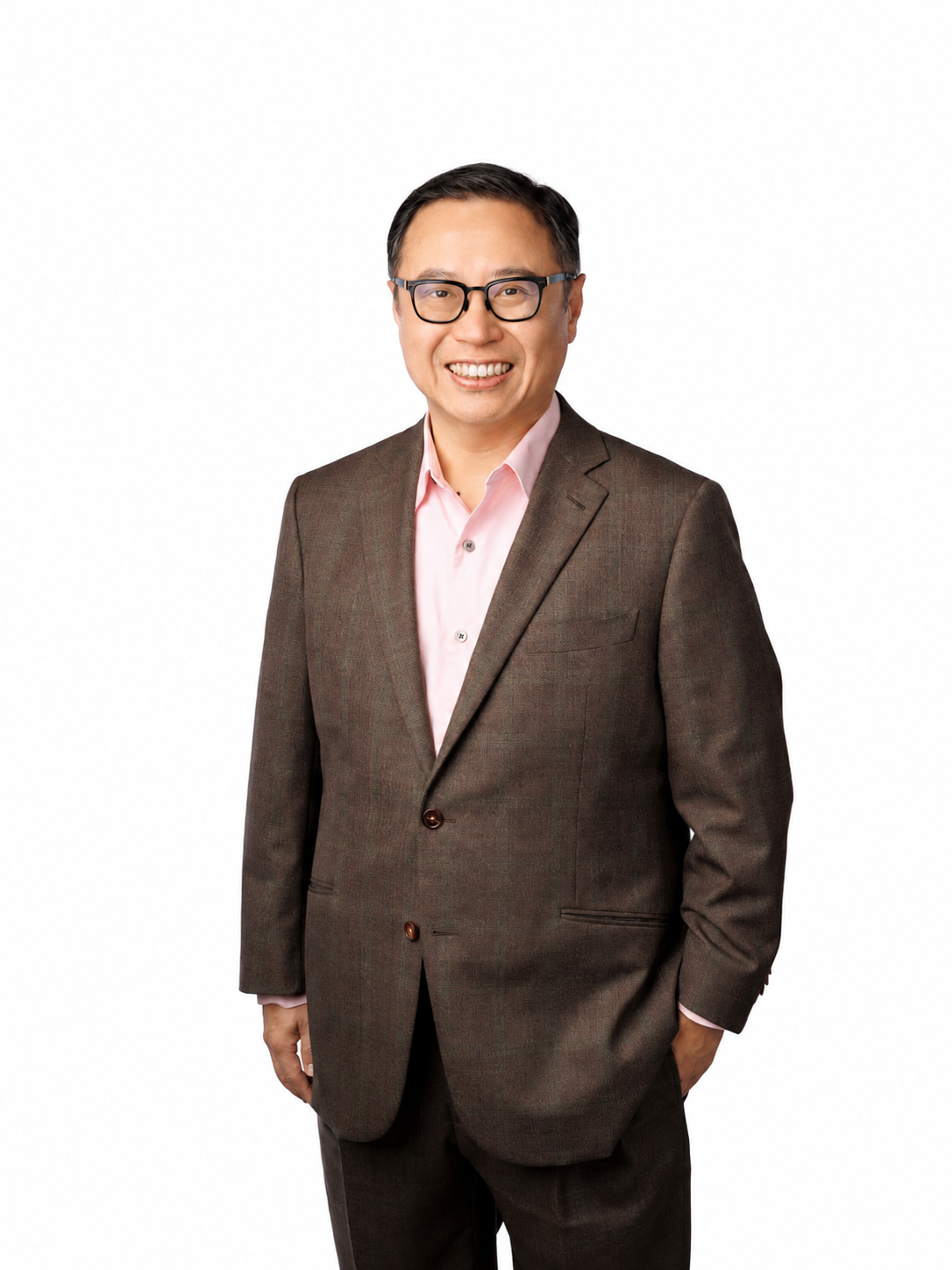
Arthur Lang, Group Chief Financial Officer of Singtel
A Borderless Culture of Digital Convergence
Singtel’s footprint extends far beyond the shores of Singapore.
Its operations span a massive, digitally diverse footprint across Asia and Australia through subsidiaries and regional associates, including Bharti Airtel (NSE: BHARTIARTL) in India, Telkomsel in Indonesia, AIS (BKK: ADVANC) in Thailand, Globe (PSE: GLO) in the Philippines, and Optus in Australia.
When accounting for the operating revenue of its business units and its proportionate share of regional associates, overseas operations contribute nearly 80% of the group’s combined total proportionate revenue.
As Lang points out, “What is unique about the group is that all the associates are either first or second in terms of mobile market share in their respective countries.”
Despite operating independently under local management teams, the group is bound by a common cultural anchor focused on customer centricity, disciplined execution, and long-term value creation.
As growth targets shift, the group is deepening these decades-old alliances.
A key focus is driving fixed-mobile convergence by cross-selling multi-product offerings to capture households in emerging markets where fixed broadband penetration remains low.
Beyond traditional connectivity, Singtel is collaborating on cross-border enterprise solutions and digital infrastructure.
A notable example is its regional data centre arm Nxera’s joint venture with Thailand’s AIS and GULF to develop next-generation facilities in Thailand.
The partnership brings together Singtel’s data centre and digital infrastructure expertise, AIS’ market reach, and GULF’s energy and infrastructure capabilities, underscoring the group’s commitment to capturing new opportunities in the region’s fast-growing digital economy.
Engineering the Next Five Years of Growth
When asked to visualise Singtel’s corporate profile five years down the road, Lang pointed directly to the Singtel28 strategy, which aims to boost operational growth, cash flow, and shareholder value by scaling NCS and Digital InfraCo as core growth engines.
Several developments are laying this foundation.
First, the enterprise segment now drives over 50% of Singtel Singapore’s FY2026 revenue, winning major contracts with global brands like Nestlé S.A. (SWX: NESN).
Second, the group is expanding its AI infrastructure through RE:AI – its GPU-as-a-Service business – which is already backed by roughly S$600 million in customer contracts.
Third, completing the STT GDC transaction alongside Nxera will boost Singtel’s data centre capacity up to 2.8GW.
Finally, NCS is transforming into an AI-led tech services firm, using its unique ability to navigate both Eastern and Western tech systems to offer solutions across critical industries.
Navigating Competitive Headwinds
Closer to home, investors are watching the local market closely, especially after the proposed merger between competitors M1 and SIMBA fell through.
Lang emphasised that Singtel’s strategy never hinged on market consolidation. Management expects competitive intensity to persist across both premium and value segments.
To defend its dominant leadership position, Singtel relies on a disciplined tri-brand strategy that supports customer retention and average revenue per user resilience, aided by the steady adoption of its higher-value 5G+ plans.
While the Singapore consumer segment faces ongoing pressure from travel eSIMs on roaming revenues, the scale of the enterprise segment provides a distinct defensive moat.
A similar story of operational resilience is unfolding across the pond at Optus.
Despite facing recent operational and regulatory hurdles, the Australian unit remains a strategically vital asset for Singtel.
Recent mobile price hikes and network sharing initiatives helped drive an impressive 23% jump in Optus’ FY2026 operating profit to A$550 million.
Management is guiding approximately S$1.3 billion in capital expenditure for the upcoming fiscal year – with S$1 billion earmarked to strengthen network resilience – while actively exploring a partnership with a like-minded Australian minority strategic partner.
Fueling the Dividend Engine
For income-focused investors, the true test of any business transformation is how it translates into cash distributions.
For the fiscal year ended 31 March 2026 (FY2026), Singtel delivered a steady financial performance.
Group revenue held stable at S$14.3 billion, while operating companies’ earnings before interest and tax (EBIT) rose 9% year on year (YoY) to S$1.5 billion. Underlying net profit climbed 12% to S$2.8 billion, driven by stellar performances from NCS – where EBIT surged 34% to S$340 million – and Optus, which saw EBIT jump 23% to A$550 million.
This allowed management to declare a total ordinary dividend of S$0.185 per share for FY2026 – a core dividend of S$0.134 and a value realisation dividend (VRD) of S$0.051, marking its fifth consecutive year of dividend growth (a 9% increase YoY) and Singtel’s highest annual dividend payout to date.
Lang highlighted that “Singtel has committed to a core dividend payout of between 70%-90% of underlying net profit. As our business continues to improve, shareholders can expect core dividends to grow.”
Beyond net profit, Lang urged investors to watch Singtel’s capital management and digital expansion. The group has raised S$6.8 billion of its S$9 billion mid-term asset recycling target since April 2024 to fund growth investments, share buyback of up to S$2.0 billion, and VRD of 3 to 6 cents annually
As of 22 June 2026, 34% of the planned share buyback has been deployed.
Investors should also measure the structural expansion of the digital infrastructure ecosystem to see how quickly Singtel monetises its AI and data centre capacities.
Simplifying Share Ownership for Singtel SDS Holders
The upcoming transfer of Singtel Special Discounted Shares (SDS) from the CPF Board directly to individual Central Depository (CDP) accounts on 21 November 2026 is one to watch.
Launched in 1993 to encourage broad share ownership among Singaporeans, the scheme has met its historic purpose, with three in five SDS holders already maintaining CDP accounts.
This transfer allows shareholders to manage all Singtel holdings in one place; those without a CDP account will have a designated one set up automatically.
Lang noted that removing the trustee arrangement allows Singtel to execute future corporate actions more efficiently, opening doors for alternative shareholder rewards like dividends in specie or bonus shares.
Holders can simply do nothing if they want to, keep their shares, or sell them through approved channels, with CPF withdrawal conditions permanently waived for the proceeds.
Get Smart: Operational Discipline Over Market Noise
Singtel’s FY2026 results and strategic trajectory signal growing traction in its transition from a traditional telecom player into an integrated regional powerhouse for digital infrastructure and enterprise technology.
By maintaining a robust balance sheet and a healthy cash cushion of S$3.7 billion, the group has the financial flexibility to invest heavily in high-margin growth drivers like RE:AI and regional data centres while sustaining dividend growth.
For long-term investors, the core investment thesis relies on management’s ongoing operational discipline and asset recycling approach.
As long as these structural growth engines continue to scale and regional associates defend their market leadership, Singtel remains well-positioned to deliver reliable, growing income alongside structural capital appreciation.
This new 10-minute read could change how you invest this year. Inside:
5 SG dividend-paying blue chips that have quietly powered through past downturns, and could reward you handsomely in the next.
Grab the free report now. It might be the most profitable thing you read today.
Disclosure: Calvina L. does not own shares of any companies mentioned.