The FTSE ST REIT Index (SGX: FSTAS351020) underperformed the Straits Times Index (SGX: STI) in the first half of 2026.
What does this mean?
Income investors anchored in real estate investment trust (REIT) holdings are having a bumpy ride year to date.
The market panic is understandable, as geopolitical tensions in the Middle East disrupted shipping lanes, driving up not just logistics costs for businesses, but also the price of Brent crude oil, which surged past US$100 per barrel in March 2026.
Local businesses were not spared from these inflationary pressures, with the Monetary Authority of Singapore (MAS) raising its core inflation forecast to 1.5% to 2.5%.
Higher Electricity Prices and Inflation – Who Bears the Burden?
The heightened oil prices aren’t just about the cost at the petrol pump.
Singapore’s electricity tariffs climbed a staggering 17% from the previous quarter to 31.91 cents per kWh – an unprecedented high.
One can drive less, but one can’t avoid using electricity and other utility services, especially for businesses.
While this means higher operating costs for REITs just to keep the lights on, it’s not all doom and gloom.
The key is to look at who’s bearing more of the burden of these bill shocks – the tenants or the landlords?
For example, superior lease arrangements, such as the Triple Net Lease (NNN), allow landlords to pass on most of these electricity costs directly to tenants, protecting REITs’ bottom lines and, by extension, investors’ distributions.
The “Higher-for-Longer” Interest Rate is Here to Stay
After the peak of the 2022-2023 hike cycle, one would have thought that borrowing costs, the usual bugbear for REITs, were over.
But no.
With new Fed chair Kevin Warsh’s hawkish stance on inflation, interest rates could inch up even higher or at least stay higher for longer.
However, the S-REIT sector today is arguably more resilient than it was during the 2022-2023 hike cycle.
Here’s why.
Back then, S-REITs had to refinance debt taken out at ultra-low rates into a far costlier environment.
Today, loans taken at the peak of the hike cycle will be progressively refinanced at more sustainable rates.
Furthermore, high-quality S-REITs with fixed and/or hedged debts are expected to shield themselves more effectively from immediate volatility.
What Should REIT Investors Look For?
Instead of chasing the highest yield, focus on some quality attributes.
These pointers might help:
- Prioritise REITs with low leverage and/or maintain a high interest coverage ratio (ICR).
- Look for positive rental reversions that demonstrate the landlord’s pricing power to raise rents faster than inflation.
- Ask yourself: Do they have a lease arrangement that allows extra costs to be passed on to tenants, such as NNN leases?
Which REIT Could Win?
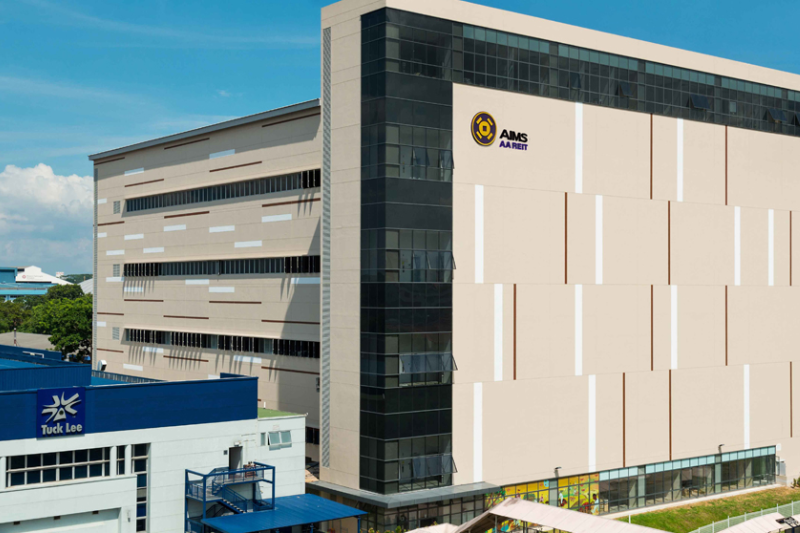
When it comes to leverage, AIMS APAC REIT (SGX: O5RU), or AAREIT, shines with its comparatively low leverage of 26.8% in the fiscal year ended 31 March 2026 (FY2026).
The REIT demonstrated pricing power with an impressive 7.7% rental reversion in FY2026.
With built-in annual escalations of up to 3.25% on almost all (98.2%) of its single-user leases, AAREIT effectively shields itself against inflation.
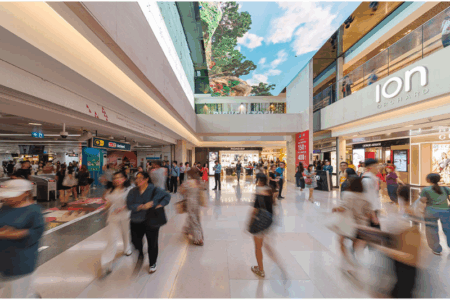
CapitaLand Integrated Commercial Trust (SGX: C38U), or CICT, maintains a manageable balance sheet in the first quarter of 2026 (1Q2026) with 38.5% leverage and a decent 3.8x ICR.
Like AAREIT, CICT’s positive reversions anchor its pricing power, with office and retail rents surging 6.1% and 4.4%, respectively.
Crucially, rising utility costs are under control with CICT’s energy rates locked in until end-2026 for its Singapore portfolio, while its overseas rates are largely locked in to between mid-2027 and 2028.
Looking for a financial fortress? Parkway Life REIT (SGX: C2PU), with its whopping 8.6x ICR and modest 33.4% gearing in the second half ended 31 December 2025 (2H2025), is what you are looking for.
With a rent review formula linked to the consumer price index (CPI) that’s expected to drive rent up a massive 24.3% in 2026, its pricing power is unmistakable.
Moreover, with its NNN lease structure, inflation doesn’t erode the REIT’s returns, as property taxes and operating expenses are passed directly to tenants.
Get Smart: Patience Over Panic
An inflationary environment favours patient investors who own quality assets over cash, which erodes in value over time.
While rising oil and inflation are undeniable headwinds, they also present opportunities for REITs with exceptional grit to rise above their peers in the long run.
Panic selling achieves nothing other than potentially locking in losses for REIT investors and foregoing the distribution income that drew them to the sector in the first place.
Instead of reacting to the near-term headlines, position yourself in REITs with the qualities that could drive their resilience to greater heights.
You’ve probably shopped at their malls, banked with them, or bought their products this month. These 6 SGX companies have paid dividends for 20 straight years, GFC and COVID included. Our FREE report shows you which ones, and what has kept their dividends going for 20 years and more. Grab your copy here.
Follow us on Facebook, Instagram and Telegram for the latest investing news and analyses!
Disclaimer: Larry L. owns shares of CICT and Parkway Life REIT.