Data centre real estate investment trusts (REITs) have captivated investors in a way few other REIT sectors can, and for good reason.
Data centres sit at the heart of some pretty powerful global structural growth trends: AI, cloud computing, and increasing digitalisation.
These underlying shifts have enabled data centre REITs to post stronger growth rates compared to their REIT peers operating in retail, commercial, or industrial sectors.
However, has this “must-own” narrative played out?
Why Data Centre REITs Became Market Leaders
The explosive rise in AI, cloud computing, and digitalisation has led to an insatiable demand for digital infrastructure such as data centres.
Data centre leases are typically long-term in nature, anchored by high-quality tenants (usually hyperscalers).
This combination of factors has allowed these data centre REITs to post higher rental reversions and net property income (NPI) compared to other REITs.
The key takeaway here is that these growth trends are expected to last multiple years or even decades, providing long-term tailwinds for these data centre REITs to capitalise on.
Why This REIT Still Stands Out in 2026
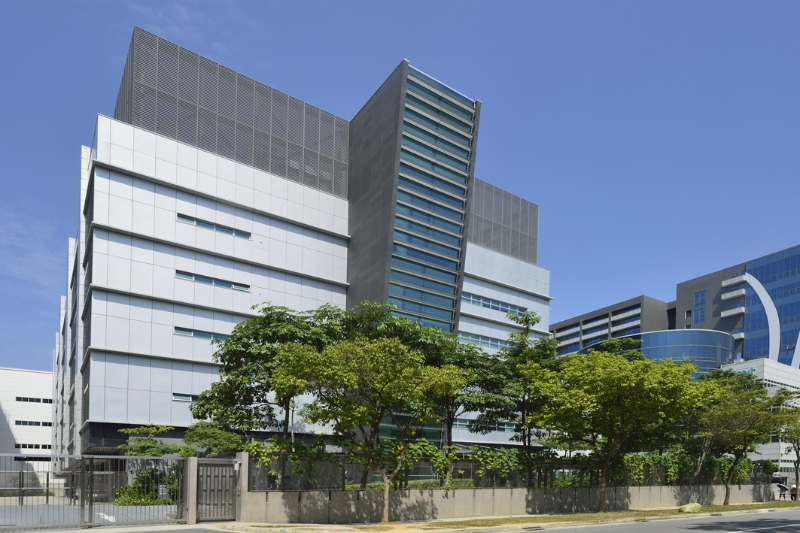
Let’s take a look at NTT DC REIT (SGX: NTDU), a data centre REIT that is well-positioned to benefit from the structural growth in AI.
Globally, the increasing adoption of AI means significantly more computing power and storage are required, which translates to a surge in the demand for data centres.
Being sponsored by a leading data centre operator in NTT, Inc. (TSE: 9432.T), provides NTT DC REIT with access to a pipeline of premium data centres.
NTT DC REIT is further strengthened by its strong tenant mix of global customers.
This data centre REIT also has a weighted average lease to expiry (WALE) of 4.5 years, which gives it decent cash flow visibility.
Furthermore, in its latest financial year ending 31 March 2026 (FY2025/2026), the REIT posted a positive rental reversion amounting to 8.5%.
With the pipeline of potential accretive acquisitions, there is a good chance that distribution per unit (DPU) could see further growth.
Being exposed to this strong structural growth of AI and having recurring income places NTT DC REIT in a pretty solid position.
What Investors Should Examine Closely
Occupancy and Tenant Quality
Moving forward, potential investors should monitor the overall occupancy rates for NTT DC REIT’s data centres.
Are its properties mostly occupied, and are the tenants anchoring the occupancy on a sound financial footing?
Does the REIT have access to power and new capacity to further future growth?
Finally, investors should monitor the gearing ratio and the debt maturity profile of the REIT, as rising interest rates could pressure financing costs and DPU.
The key takeaway is that being exposed to strong growth does not mean a company can neglect sound financial practices.
Why the Market Keeps Paying a Premium
Singapore data centre assets are highly valued by the market, in comparison to other real estate properties, as investors value long-term secular growth.
Combine the essential nature of data centres in the AI growth story with defensive recurring income, and their premium valuations reflect scarcity and quality, which might not change anytime soon.
What Could Go Wrong
Nevertheless, things can still go wrong for data centre REITs.
Valuations could get out of hand, and if AI-infrastructure spending gets reduced, investors in these REITs could be in for a painful period.
Additionally, rising competition and expanding supply of data centres in key regional markets could also pressure the rental yields of data centres.
Finally, there are also risks related to regulations and insufficient energy, which could hamper the performance of data centre REITs.
The key takeaway is that in vogue sectors still face risks associated with expensive valuations and execution.
Who This REIT May Suit
For investors looking to beef up their portfolios with an asset that blends both growth and income, with a multi-year horizon, data centre REITs could present a compelling investment opportunity.
Having said that, one has to be comfortable paying a higher valuation for some quality assets.
Get Smart: The Digital Economy Still Needs Somewhere to Live
In sum, the increasing importance of data centres in supporting the AI growth story has placed these assets at the forefront of investors’ minds.
Owning data centre REITs could be a way for investors to capitalise on this secular growth trend.
You walk past million-dollar opportunities every single day. Your coffee shop. Your commute. Your grocery run. But these “boring” Singapore companies are quietly building fortunes while everyone chases crypto and overpriced tech stocks. Our latest report reveals 5 small-cap goldmines hiding in plain sight. Click here to download for free now before prices catch up.
A market dip can either hurt your returns… or accelerate them.
The difference comes down to one thing: how you deploy your cash. We break it down step by step in this FREE report. Get your copy for free now.
Follow us on Facebook, Instagram and Telegram for the latest investing news and analyses!
Disclosure: Wilson H. does not own shares in any of the companies mentioned.